Plastic Footprint Calculator
Free household plastic footprint calculator: estimate how much single-use plastic your home uses, room by room, and get easy swaps ranked by impact.
Nobody feels like they use much plastic. Then you count a week. This calculator turns the bags, bottles, wrappers and tubes that pass through a kitchen, bathroom and laundry into a yearly figure, in pieces and in estimated pounds, and ranks the swaps by how much each one would actually remove.
What the calculator counts
You enter how many of each item you get through in a normal week. The calculator multiplies by 52 for pieces a year, then uses a typical weight per item to estimate pounds. The ranking under the result is by pieces, because pieces are what you can see and change.
The weights are planning figures, not a weigh-in of your bin:
| Item | Typical weight used |
|---|---|
| Grocery bag | 6 g |
| Produce bag | 2 g |
| Drink bottle | 20 g |
| Takeout container | 30 g |
| One use of plastic wrap | 1 g |
| Bathroom bottle or tube | 40 g |
| Disposable razor | 8 g |
| Detergent jug | 80 g |
| Dryer sheet | 1 g |
A bottle of shampoo weighs more than a produce bag by a wide margin, which is why the pounds figure and the pieces ranking can tell slightly different stories. Both are useful.
How to count a week
Guessing undercounts. Two ways to get a real number:
- Tally for seven days. A sheet of paper on the fridge with the nine items down the side. Every time something goes in the bin or the recycling, a mark.
- Empty the recycling once. Tip the box out, sort it, count. Then add the things that never make it to recycling: wrap, produce bags, razors.
Items that are opened over weeks, such as a bottle of shampoo or a jug of detergent, go in as fractions. One jug every four weeks is 0.25. The fields accept decimals.
Kitchen: where most of the pieces are
In nearly every count we have seen, the kitchen produces the most pieces: grocery bags, the thin bags around loose fruit, water and soft-drink bottles, the clamshell the takeout came in, a few arms' lengths of cling film.
The good news is that the kitchen swaps are the cheap ones. A bag you already own. No bag at all around three onions. A jug of tap water in the fridge. A plate on top of the bowl. None of these needs a purchase, and together they can halve the pieces figure before you have bought anything "sustainable". The swap savings calculator puts a dollar figure on the same changes.
Bathroom and laundry: fewer pieces, heavier ones
Bathrooms and laundry rooms produce fewer items a week but each one weighs more. A detergent jug is around 80 g, roughly thirteen grocery bags' worth of plastic. That is why a household that has sorted its kitchen can still have a high pounds figure.
The rule here is to finish what you have. A half-used bottle thrown out to make room for a bar is a bottle plus a bar. When it runs out, the lower-plastic options are a bar, a refill from a shop that does them, or a powder in a cardboard box for laundry. Dryer sheets are a small weight but a steady count; most loads do not need one, and wool balls do the same job for years. Eco-friendly laundry practices covers the laundry side in more detail, including washing synthetics less often to shed fewer microfibres.
Zero Waste Starter Checklist
Where to start, sorted by room and by cost, beginning with the swaps that cost nothing.
Free, and you join The Sunday Ring: one useful email a week. Unsubscribe any time.Reading the ranking
The list under the result puts your biggest source at the top with the swap next to it. Change that one first. A single habit at the top of the list usually removes more plastic than three at the bottom.
Then leave it a month and come back. One ring at a time is the whole idea behind this site: a small, durable change, then another. Trying to fix all nine lines in a week tends to end with a drawer full of unused reusable things. The Plastic Free July challenge works on the same one-thing-at-a-time principle if you want a structure to follow.
What this does not include
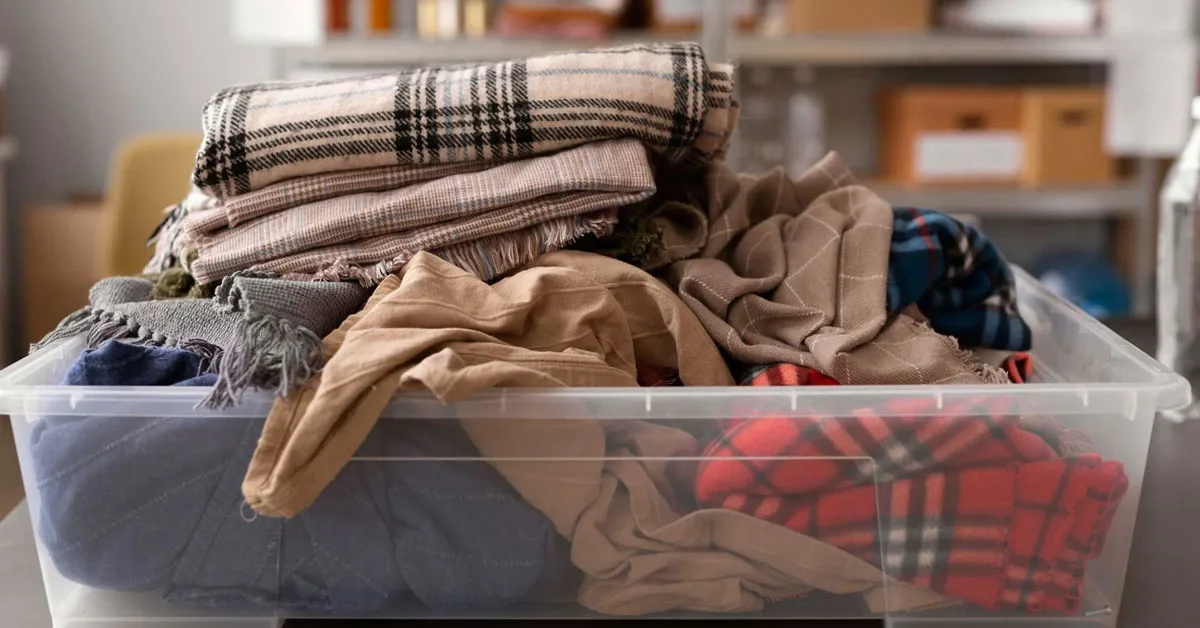
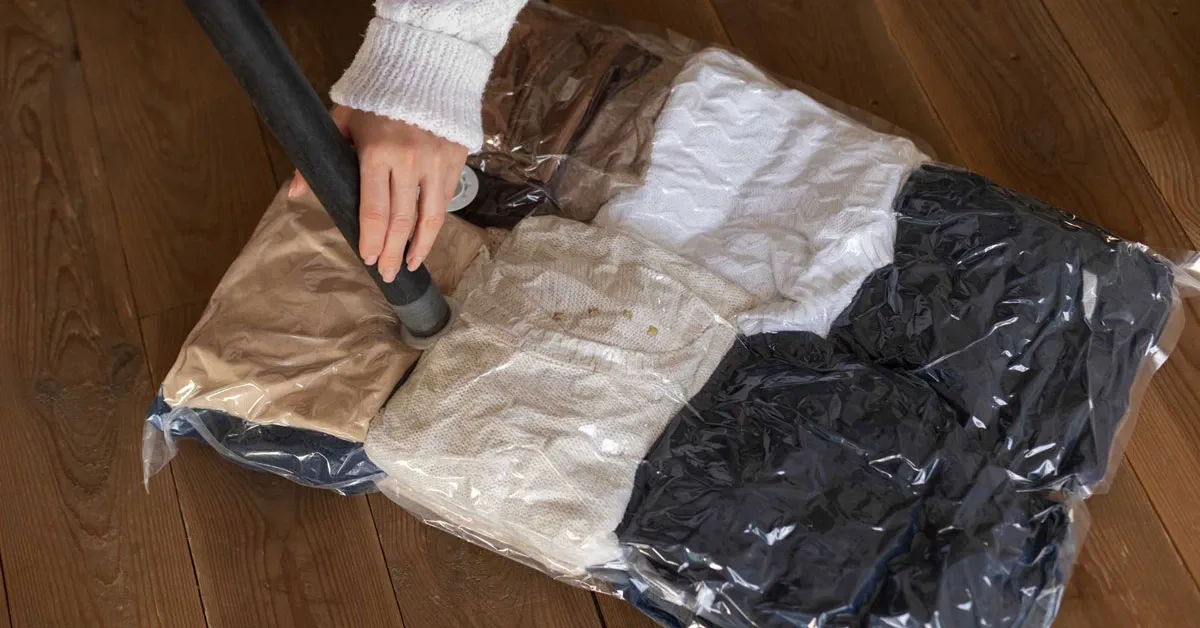
The calculator covers nine common items. It does not count food packaging beyond the takeout box, bin liners, toys, stationery, or the plastic in clothes and textiles. It also does not count plastic storage you already own. If you have a stack of plastic tubs, keep using them for things that suit them, which is most things except natural-fibre clothes; is it safe to store clothes in plastic containers explains the damp and off-gassing problems. The same goes for vacuum-sealed storage bags: useful for some things, not a good home for wool.
And recycling is not a cancel button. In the United States, the EPA's most recent material-specific data puts the plastics recycling rate at under 9%. Counting a bottle as "fine because it goes in the blue bin" is optimistic. Fewer pieces in the first place is the figure that matters.
FAQ
Questions about the plastic footprint calculator
How much plastic does the average household throw away?
It varies a lot by country and by habit, which is why this calculator asks about your week rather than quoting an average. For scale, the US EPA reported that plastics made up about 12% of municipal solid waste in its most recent figures, with a recycling rate of around 9%. Your own count is a better guide than any national figure.
How accurate is the weight estimate?
It is an estimate from typical gram weights, not a measurement. A heavy-duty bag weighs more than a thin one; a large detergent jug more than a small one. Expect the pounds figure to be in the right range rather than exact. The pieces count, which comes straight from your numbers, is the more reliable of the two.
What counts as single-use plastic?
Anything made of plastic that is designed to be used once, or for a short time, and then thrown away: carrier bags, drink bottles, food wrap, takeout containers, toiletry bottles and tubes, disposable razors, detergent jugs. Durable plastic items such as storage boxes, kitchen tools and furniture are not single-use and are not counted here.
Does recycling cancel out the plastic I use?
No. Recycling is better than landfill, but most plastic is not recycled, and what is recycled is usually turned into lower-grade material once or twice before it is thrown away. Reducing the number of pieces is the only step that removes plastic altogether, which is why the calculator counts items rather than what happens to them afterwards.
Are dryer sheets plastic?
Most are. The sheet itself is usually a polyester non-woven fabric coated in softening agents, so it is a small piece of single-use plastic that cannot be recycled or composted. Many loads do not need one at all, and wool dryer balls do the same job for years.
Which swap makes the biggest difference?
Whichever is at the top of your ranking. For many households that is grocery and produce bags by count, or bottled drinks. By weight it is often detergent jugs and toiletry bottles. The calculator sorts your own list, so the answer is specific to your home rather than a general rule.
Is bottled water the worst offender?
If you drink several a week, it is usually near the top by both count and weight, and it is one of the easiest to drop where tap water is safe to drink. A bottle at 20 g, three times a week, is around 150 pieces and nearly 7 pounds a year. Any bottle you already own and a jug in the fridge removes all of it.
How often should I redo the count?
Every few months, or after you have changed one habit and want to see the difference. Doing a fresh seven-day tally is more honest than adjusting the old numbers from memory. Many people find the second count is lower simply because they were paying attention.
Guides that go with this tool
Is It Safe To Store Clothes In Plastic Containers?
Does Vacuum Packing Reduce Weight? The Pros and Cons of Vacuum-Sealed Clothes

7 Eco-Friendly Product Examples for a Greener Home