Cost-per-Wear Calculator
Free cost per wear calculator: divide a garment's price by how often you'll wear it to see its true cost, and compare cheap vs. quality clothes.
The price on the label tells you what a garment costs to buy. Cost per wear tells you what it costs to own. A $40 top worn five times is $8 a wear. A $120 jacket worn 150 times is 80 cents. This calculator puts two or three options side by side so you can see which one is actually the cheap one.
The cost-per-wear formula
Cost per wear is the total you spend on a garment divided by the number of times you wear it:
Cost per wear = (price + extra costs) ÷ number of wears
Extra costs are anything you pay on top of the price to keep wearing it: a hem, a resole, new buttons, dry cleaning. The calculator adds those to the price before dividing. If you leave the field at zero, it is just price divided by wears.
The yearly figure is cost per wear multiplied by how often you expect to wear it in a normal year. It is handy for budgeting, and for noticing that a $12-a-wear dress worn twice a year costs less annually than a $2-a-wear t-shirt worn every week.
How to estimate wears honestly
The formula is easy. The hard part is the wears, because we all overestimate. A few ways to keep yourself honest:
- Look at what you already own. Find the closest thing in your wardrobe and count how often it came out last year. That is your baseline, not the number you hope for.
- Use the 30-wears question. Before buying, ask whether you will wear it at least 30 times. If the answer is no, it is probably an occasion piece and the cost per wear will stay high.
- Think in seasons, not years. A linen shirt gets a four-month window. A wool coat might get five months but every day of them.
- Be pessimistic on things that need an occasion. Weddings, interviews and parties come around less often than they seem to in the shop.
Clothes are, on the whole, worn less than they used to be. The Ellen MacArthur Foundation's textiles report found the average number of times a garment is worn fell by around a third between 2000 and 2015. Counting wears is a small way to push back against that.
Extra cost: repairs, alterations and cleaning
Repairs usually lower cost per wear, even though they add to the price. A $20 hem on a pair of $60 trousers that then get worn 80 times is $1 a wear. The same trousers left too long in the drawer, unworn, are $60 a wear.
Cleaning is the extra cost people forget. A dry-clean-only blazer at $12 a visit, cleaned ten times, adds $120 to its lifetime cost. Alternatives to dry cleaning at home covers what can safely be refreshed without the trip.
Put the figure you actually expect to pay in the Extra cost field. For a coat you plan to keep ten years, a relining halfway through belongs in there too. Reviving old clothes by repairing, dyeing and upcycling has the small fixes that keep a garment in rotation.
Cheap versus well made
The usual comparison is a cheap item against a better-made one, and the better-made one often wins on cost per wear even at three times the price. But price is not the same as quality. Some expensive clothes fall apart; some cheap ones last a decade.
Things that tend to add wears, whatever the price tag:
- Fabric you can care for at home. Machine-washable wool, cotton, linen.
- Seams with some allowance, so the item can be let out or taken in.
- A plain enough design that you would still reach for it in three years.
- Secondhand. The price drops, the wears do not.
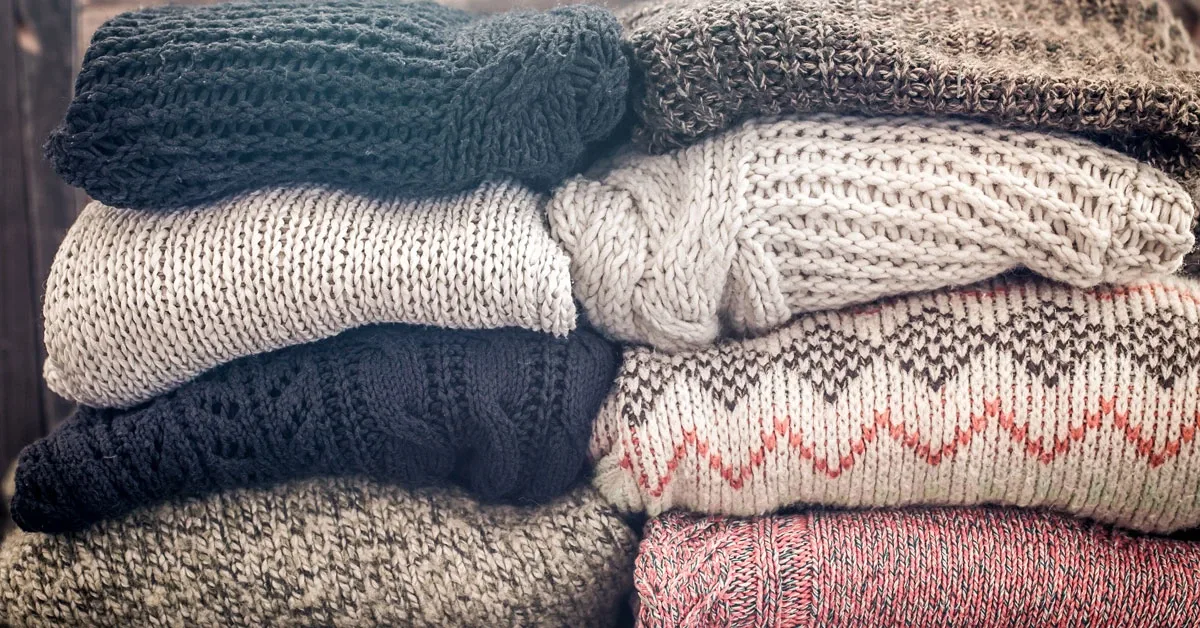
How you store clothes affects the wears too. A jumper that comes out of summer storage with moth holes has had its wears cut short. Folding knitwear, airing a closet and keeping wool away from sealed plastic all add up. A minimalist wardrobe of timeless pieces is built around this idea: fewer pieces, each worn more.
Plastic-Free Closet Storage Kit
Store clothes so they last, without plastic boxes.
Free, and you join The Sunday Ring: one useful email a week. Unsubscribe any time.Using the comparison
Put the thing you already own as Item A. It has already been paid for, so its cost per wear only goes down from here, and that is the number any new purchase has to beat. Then enter the one you are considering as Item B. Tick the box for a third option if you are weighing a secondhand version too.
The line under the results names whichever option costs less each time you wear it. If two come out the same, it says so. Change the wears for either item and watch how little the price matters once the count gets high.
What the number does not tell you
Cost per wear is a sanity check, not a reason to buy. It cannot tell you whether something fits well, whether you will feel like yourself in it, how it was made or who made it, or what you could sell it for later. A low cost per wear on something you only wear because you feel you should is not a bargain.
Use it to slow a purchase down, to see whether a repair is worth doing, and to notice which pieces in your wardrobe quietly earn their place. Minimalist wardrobe essentials is a fair list of the kinds of pieces that usually do.
FAQ
Questions about the cost-per-wear calculator
What is cost per wear?
Cost per wear is the price of a garment, plus anything you spend keeping it wearable, divided by the number of times you wear it. It turns a one-off price into a cost of ownership. A $200 coat worn 200 times costs $1 a wear; a $30 top worn three times costs $10 a wear.
How do you calculate cost per wear?
Add the price to any extra costs such as alterations, repairs or cleaning, then divide by the total number of wears you realistically expect. For the yearly figure, multiply the cost per wear by the wears you expect in a typical year. The calculator above does both as you type.
What is a good cost per wear?
There is no fixed number. Everyday basics often end up under $1 a wear; coats and shoes under $2; occasion wear is usually much higher and that is fine if you know it going in. The useful comparison is between two options for the same job, or between a new purchase and something you already own.
What is the 30 wears rule?
It is a simple question to ask before buying: will I wear this at least 30 times? It was popularised by the #30wears campaign as a way to cut down on fast-fashion impulse buys. Thirty is not magic, but if you cannot picture 30 outings, the cost per wear will stay high no matter the price.
Should repairs and dry cleaning be included?
Yes. Put them in the Extra cost field. Repairs usually bring cost per wear down because they add many more wears for a small amount of money. Dry cleaning is the opposite: a recurring cost that adds up quietly, which is a good reason to prefer clothes you can wash at home.
Is cost per wear the same as cost per use?
It is the same idea applied to clothes. Cost per use is the general version for anything you buy, from a kettle to a bike. The maths is identical: total cost divided by how many times you use the thing.
Can a cheaper item ever win?
Often. A $15 plain t-shirt worn twice a week for two years is around 7 cents a wear, and no $80 shirt is likely to beat that. Where cheap tends to lose is on things that take wear and tear, such as coats, shoes and knitwear, where the better-made version simply lasts long enough to rack up the count.
How do I lower the cost per wear of clothes I already own?
Wear them more, and keep them wearable for longer. Mend small things early, store knitwear folded, keep wool away from moths and damp, and wash less often at lower temperatures. Alterations help too; a jacket that fits gets worn, a jacket that nearly fits does not.
Is anything I type saved?
No. The calculator runs in your browser and nothing is sent to us or stored. If you want to keep a comparison, take a screenshot.
Guides that go with this tool

Minimalist Wardrobe Essentials: Timeless Pieces for Any Season

How to Revive Old Clothes: Repairing, Dyeing and Upcycling
Avoiding Stretching and Distortion: Proper Storage for Knitwear