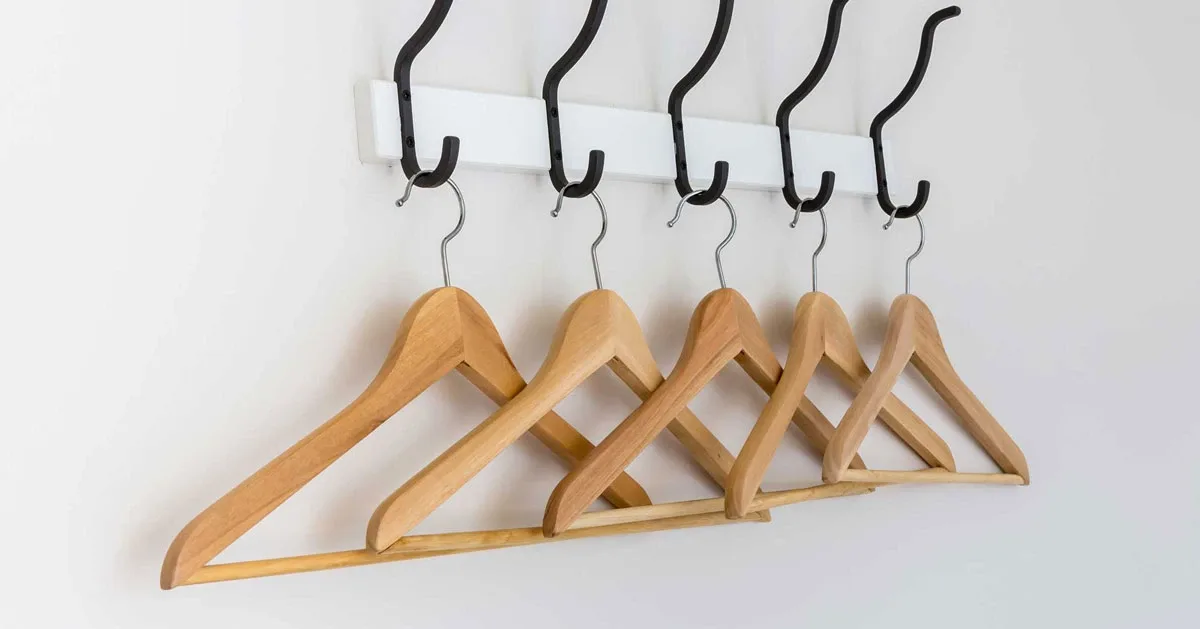
When it comes to garment care, wooden hangers are often the best choice for maintaining the longevity and shape of your clothes.
Unlike plastic or metal options, wooden hangers provide superior support, preventing stretching, sagging, or creases that can damage your garments over time. They’re durable, eco-friendly, and designed to handle a variety of fabrics, from heavy sweaters to delicate blouses.
In this guide, we'll explore why wooden hangers are a must for garment care and offer practical tips for choosing the best type for every item in your closet.
Benefits of wooden hangers
Wooden hangers offer significant advantages over plastic and metal alternatives when it comes to garment care, storage, and display. Their durability, eco-friendliness, and ability to prevent fabric damage make them an excellent investment for your closet.
One of the key benefits of wooden hangers is their durability and reusability. Unlike plastic hangers, which are prone to snapping under the weight of heavy fabrics, wooden hangers made from solid materials like maple, cedar, bamboo, or beech are designed to withstand years of use. The smooth finish, often lacquered or waxed, ensures that they remain resistant to warping caused by moisture, further extending their lifespan.
Wooden hangers also score high on the eco-friendly scale. Sourced from renewable timber stocks and often certified as sustainable, they are biodegradable, meaning they won’t contribute to the vast landfill waste that comes from discarded plastic hangers.
When it comes to garment care, wooden hangers outperform their metal and plastic counterparts. Metal hangers can have sharp edges that fray delicate fabrics, while plastic traps humidity, which can damage clothing. Wooden hangers, by contrast, are moisture-wicking and have smooth, rounded edges that prevent snags and allow for natural airflow, keeping your clothes fresh and in good condition.
How to choose wooden hangers for different garments
While wooden hangers are great for all-around garment care, selecting the right type for specific clothing items can make a big difference in maintaining their shape and quality.
Shirts
For button-downs, knits, and blouses, it’s best to opt for wooden hangers with contoured shoulders. These anatomically curved designs mirror the natural slope of the shoulders, helping to prevent collar dips or buckling along seams. Shirts hung on these hangers retain their form, especially when broad widths are chosen to accommodate fuller men’s cuts. Additionally, hangers with scalloped top edges prevent unsightly shoulder creases, which can distort delicate fabrics. Opt for hangers that are the right width for your garments, typically 17 to 19 inches for men’s shirts and narrower for women’s tops to avoid stretching the fabric at the neck.
For slinkier fabrics like silk or satin, consider wooden hangers with a ribbed surface. These provide just enough grip to keep garments from slipping off, without the need for clunky metal clamps that can damage delicate fibers.

Pants and shorts
To keep your trousers and shorts in top condition, invest in wooden hangers that feature an adjustable bottom bar. This allows you to customize the hanging length so that pants remain evenly suspended, avoiding the fabric dragging on the floor or creating creases at the knees. A protective foam wrapping on these bars can also safeguard against snags and imprints that can come from harsh edges or textured plastic.
For particularly heavy items like denim or pants with elastic waistbands, you might want to consider extender hangers, which offer extra width and grip. These hangers ensure that heavier garments stay securely hung without causing indentations or stress marks on the fabric.
Skirts
Delicate fabrics like silk or chiffon, commonly used in skirts, require gentle care. Wooden hangers with double notches designed for waistbands provide the support needed to prevent damage. These notches should be ergonomically shaped to avoid embedding dents into the waistband while still keeping the hem off the floor.
For ultra-delicate textiles, filigree wooden hangers with laser-cut designs offer a lightweight solution that avoids snags. If you prefer extra protection, consider velvet-wrapped hangers that offer a soft surface to keep skirts in perfect condition.
Sweaters
Sweaters, especially bulky knits, can be a challenge to store without causing damage. Wooden hangers are ideal for this, as long as you select sturdy options with broad shoulders. These broad-shouldered hangers distribute the weight of chunky knits evenly, preventing shoulder creases from forming under the strain. Ribbed or velvet-covered hangers are especially useful for heavier sweaters, as they provide extra grip, keeping garments in place without stretching them.
Plastic-Free Closet Storage Kit
Store clothes so they last, without plastic boxes.
Free, and you join The Sunday Ring: one useful email a week. Unsubscribe any time.Quality and finish considerations
In addition to shape and size, the quality of the wood and its finish are critical to ensuring that your hangers will last and protect your garments. Hangers with varnished finishes offer protection against moisture, which is especially important in humid climates. The multiple coats of clear gloss varnish not only add durability but also make it easy to slide garments on and off without snagging.
If you’re concerned about chemical exposure from finishes, opt for unvarnished wooden hangers, which are often sanded smooth or treated with natural oils like beeswax or jojoba. These eco-friendly treatments nourish the wood while remaining safe for contact with skin and clothing. However, unvarnished hangers may require extra care, such as storing them in dry environments to avoid moisture damage.
Look for wooden hangers that are FSC (Forest Stewardship Council) certified. This ensures the wood has been responsibly sourced, supporting sustainable forest management practices that protect the environment and local communities.
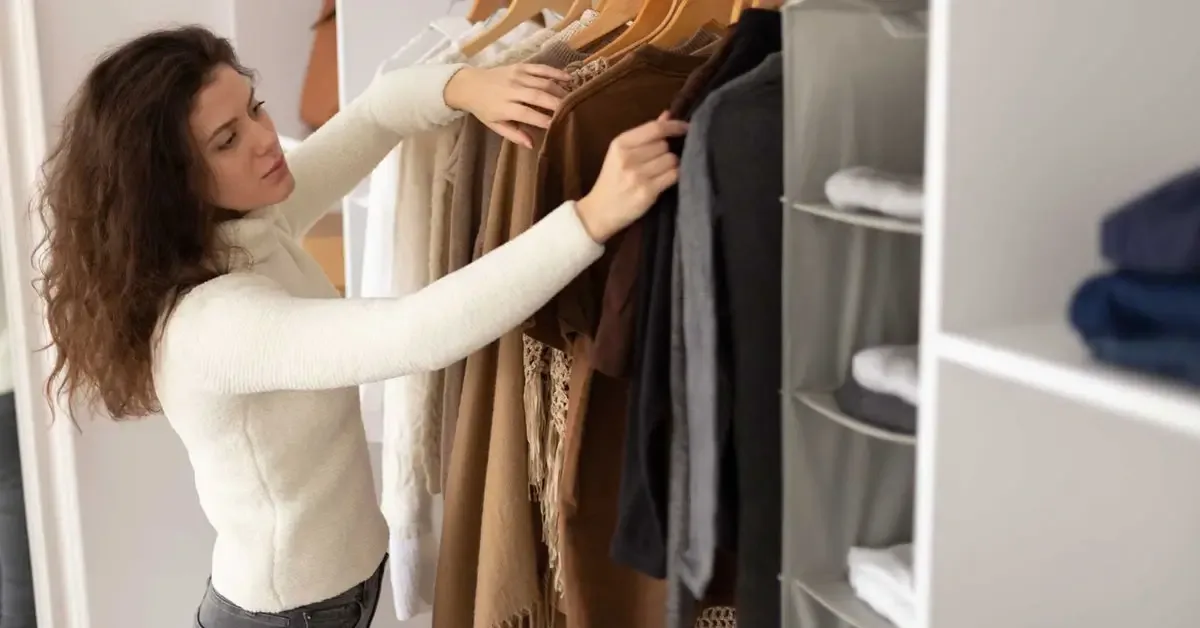
Enhancing garment care with hanger accessories
To further elevate your wooden hangers, consider adding a few useful accessories that can extend their functionality. Small cedar rings or lavender sachets can be attached to hanger hooks, infusing your garments with a pleasant scent while also naturally repelling moths. Non-slip clips or clamps can be added to wooden hangers to secure lightweight garments like camisoles or silky tops that tend to slip.
Wooden vs velvet, plastic and wire hangers
| Hanger | Good for | Watch out for |
|---|---|---|
| Wooden | Coats, suits, blazers, shirts and heavy garments; lasts for decades | Bulky, heavier and pricier up front |
| Velvet (flocked) | Slippery silks, camisoles and wide necklines; slim, so they save space | Flocking wears off, and thin frames snap under heavy coats |
| Plastic | Cheap and light, fine for T-shirts and kids' clothes | Crack under weight, rarely recycled, and narrow ones leave shoulder bumps |
| Wire | Getting clothes home from the dry cleaner | Stretch shoulders, rust in damp closets and leave marks; give them back to the cleaner |
The downsides of wooden hangers
- They take up space. A rail of wooden hangers holds fewer garments. Use slim wooden or velvet hangers for shirts, and keep the broad ones for coats and jackets.
- They cost more up front, though they last far longer. Build up a set gradually, starting with your heaviest pieces.
- Rough or cheap finishes can snag. Run a hand along each hanger; sand any rough spot or rub in a little beeswax.
- Unsealed wood can mark or absorb damp. In humid closets choose sealed or lacquered hangers, and don't hang wet clothes on raw wood.
- Not everything should hang. Heavy knits stretch on any hanger. Fold them, or use the fold-over method in our guide to hanging sweaters without stretching them.
Special care techniques with wooden hangers
Wooden hangers aren’t just for storage; they can also be used as tools for advanced garment care. For instance, after laundering your shirts, you can air dry them by gently shaping the natural shoulder creases and placing them on contoured wooden hangers. This helps maintain the garment’s form as it dries.
When preparing for seasonal wardrobe transitions, it's important to store your off-season clothes properly to maintain their condition. Using the right hangers, like wooden ones, can help prevent stretching or damage during storage.
When it comes to steaming and pressing clothes, hangers provide an excellent framework. With shirts or pants hanging, you can run a steamer a few inches above the fabric to relax the fibers without direct contact, preventing scorching. For extra-heavy fabrics or stubborn creases, wooden hangers can help stretch and straighten the material while steaming.